No-see-ums seem to fly under the radar (pun intended). It’s mosquitoes that get all the attention with the dozens of sprays, coils, and the stern advice from experienced hikers. But not no-see-ums. They are roughly the size of the point at the end of a sharpened pencil and around eight times smaller than a mosquito. You won’t see them. You won’t hear them. But they pack a mighty bite.
Welcome to the world of no-see-ums.
What on Earth Are These Things?
No-see-ums go by several names: sand flies to those in the southeastern US, punkies in the Northeast, and biting midges, their official name. They are tiny biting insects in the family Ceratopogonidae – please don’t ask how to pronounce that. And when we say tiny, we mean tiny. These things clock in at just 1-3 millimeters long, making them darn near invisible to the naked eye. They are the stealth bombers of the insect world.
They’re most common in warm, humid environments including coastal areas, marshes, lakesides, and river corridors. They breed among those ecosystems in moist soil, mud, and standing water. Basically, if it’s wet, no-see-ums are likely nearby.
Just like mosquitos, it’s only the females of the species that bite, needing a blood meal to develop their eggs. Males are completely harmless and content to float around eating plant nectar like the gentlemen they are.
Why Do No-See-Ums Come for YOU Specifically?
Here’s the fun part: if it feels like these invisible jerks are targeting you personally, it’s because (scientifically speaking) they kind of are.
No-see-ums are attracted to carbon dioxide, which you are continuously exhaling. And if you’re hiking hard uphill with your heart rate cranked up? You’re breathing more, putting out more CO2, and essentially broadcasting a dinner invitation on all frequencies. On top of that, they’re drawn to body heat, sweat, and lactic acid. And wouldn’t you know? Those are all things your body produces in abundance on a strenuous trail.
They can detect that warm, sweaty, CO₂-rich plume from up to 150 feet away. So that hard climb you just did to earn those views? It’s also the reason you’re getting eaten alive at the summit. Congratulations on your accomplishment.
A few other things that can turn you into a prime target:
- Dark clothing: it absorbs heat, making you a warmer, more attractive target so wear lighter fabrics on the trail. This is generally a good idea as it will help reflect the sun instead of absorbing it.
- Scented products: floral or fruity lotions, shampoos, and perfumes can attract them. So go au naturel and let your stink out.
- Being still: no-see-ums are weak fliers and love a stationary target so maybe midge-season is time for you to accomplish that FKT for whatever trail you’re hiking.
No-See-Um Bites: Why Do They Itch So Much?
Mosquitoes are annoying; everyone knows this. No-see-ums, though, make it personal. Here’s the difference: a mosquito uses a needle-like proboscis (aka, nose) to pierce your skin relatively cleanly. A no-see-um, by contrast, slices into your skin with tiny mandibles like the serial killer it is and laps up the blood pooling at the surface.
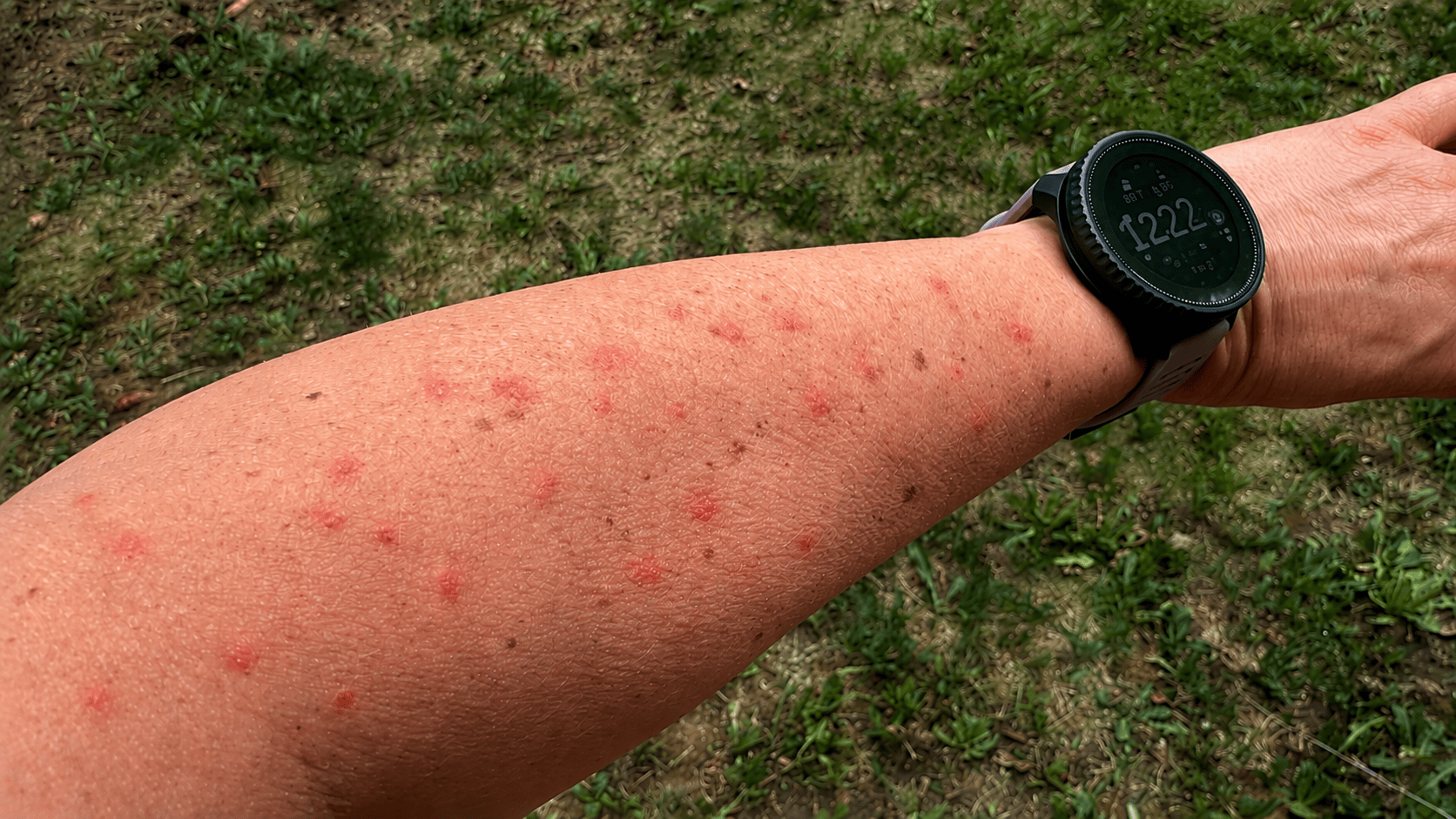
When they bite, they inject saliva that contains anticoagulants to keep the blood flowing. Your immune system responds to that saliva by releasing histamines, which is what causes the itching, swelling, and redness. One no-see-um can bite the same small area a dozen times in quick succession, which is why you often find clustered welts rather than solo bites.
Unlike a mosquito bite, which you might not notice for a while, no-see-um bites are painful immediately. The red welts typically appear within a few hours, and the itch can last anywhere from several days to two weeks. Yup, weeks. Scratching makes it significantly worse, both by intensifying inflammation and by increasing the risk of a secondary bacterial infection on the broken skin. Do your best not to scratch. We know. It’s nearly impossible. Do it anyway.
Instead, lean into the spatial contrast theory for itching. Yeah, it sounds fancy, but the science is simple: a tiny, localized irritation feels itchier to your brain. Instead of scratching the bite directly, gently rub the area around it with two fingers. The broader sensation can help drown out the itch signal without tearing up your skin. Swear, just give it a try!
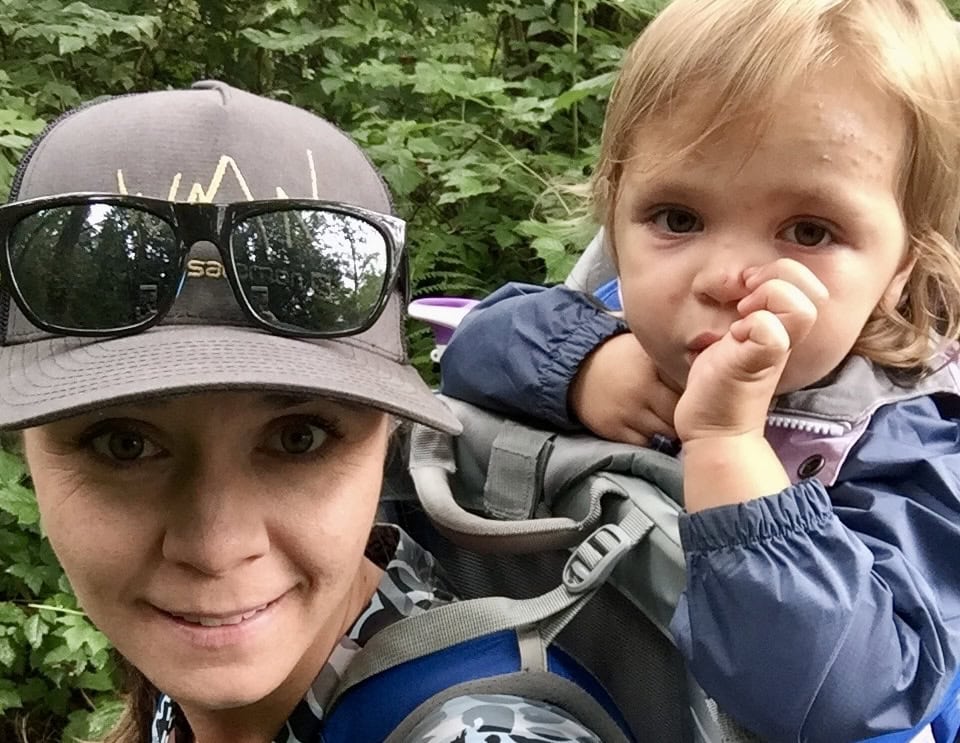
This kiddo spent a lot of time flipping over rocks on the riverbank — and no on realized the no-see-ums were biting her face! (photo/Heather Balogh Rochfort)
Prevention: How to Not Get Destroyed By No-See-Ums
The best treatment for no-see-um bites is not getting them in the first place. Here’s how to stack the odds in your favor on your next outing.
Timing matters. No-see-ums are most active at dawn and dusk, which might be the same golden hours you’re probably trying to hike. If you’re in heavy no-see-um country, schedule your breaks and campsite arrival (if staying overnight) away from those windows if you can, or at least be geared up and protected when they hit.
Wear the right clothes. Cover up with long sleeves and long pants, especially near water. Choose light-colored to keep heat away from your body and loose-fitting clothing since it’s harder for them to bite through. Tucking your pants into your socks might look ridiculous, but it’s effective.
Use the right repellent. Picaridin is my bug spray of choice. It’s odorless, less irritating to the skin, and doesn’t have the potential toxicity of DEET. You can also try some home remedies, but in my experience, they aren’t as effective. The most common home remedy is oil of lemon eucalyptus. Whatever you use, apply it to all exposed skin before you head into no-see-um territory.
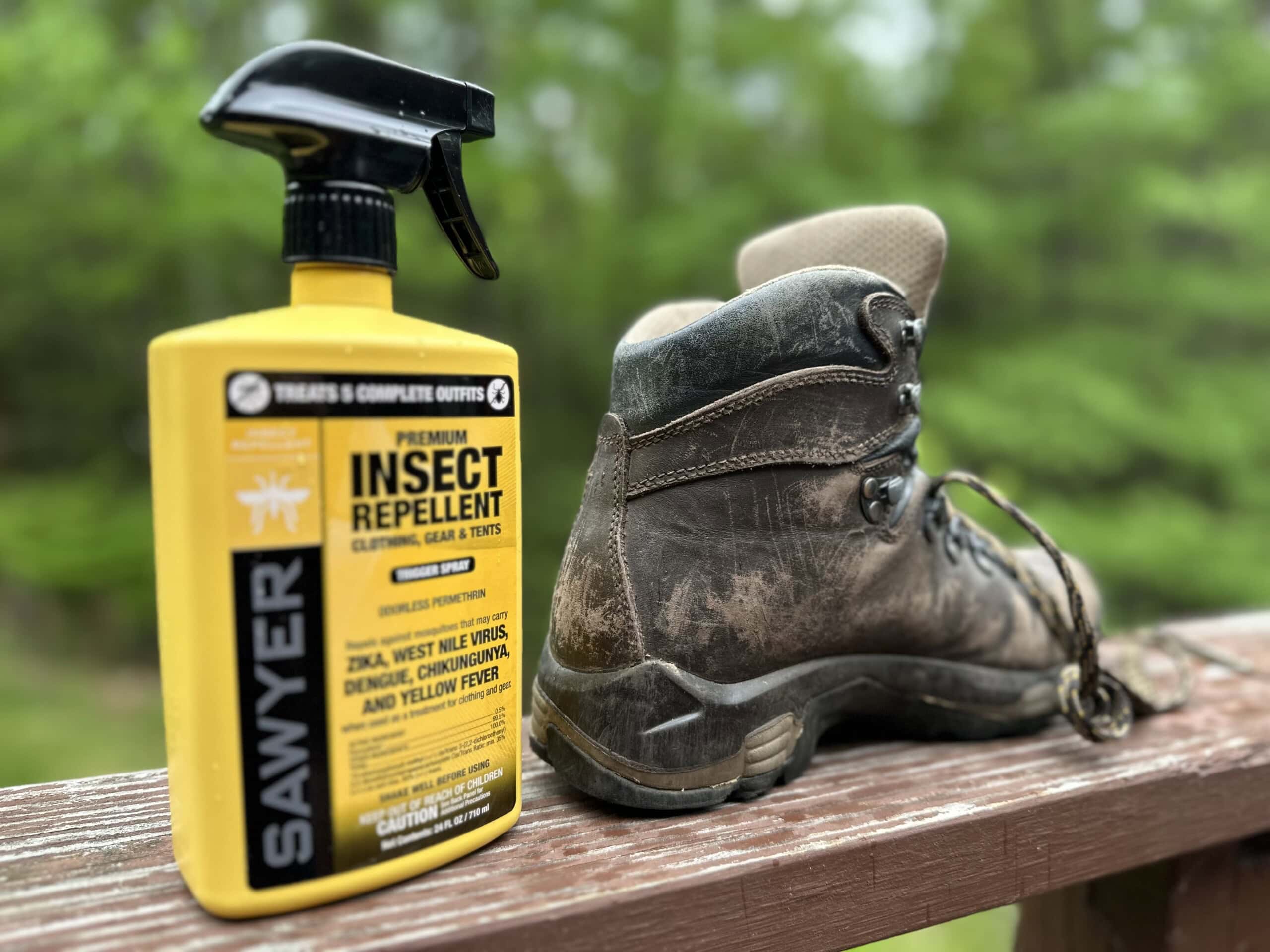
Permethrin-treated clothing is another solid treatment that bonds to fabric and kills and/or repels insects on contact. Bonus: it also repels ticks and other disease-carrying, biting insects.
Pick your campsite wisely. When you have the choice, avoid camping directly next to standing water, marshy areas, or heavily vegetated lakeshores, which are all prime breeding habitats. If you can camp on a ridge or somewhere with a consistent breeze, do it, since even a modest wind keeps them grounded and away from you.
Damage Control: If You’ve Already Been Bitten
So the little monsters got you. It happens to everyone. Here’s how to minimize the misery.
Wash the bites as soon as possible with soap and warm water to remove residual insect saliva and reduce the risk of infection. On trail, a quick wipe-down with a wet cloth or a biodegradable camp soap will help.
Cold compress. If you have a bandana and a cold stream nearby, soak it and press it to the welts for 10 minutes or so. Cold numbs the nerve endings and reduces swelling. This is your best friend in the backcountry.
Anti-itch treatment. If you’re carrying a first aid kit (and you should be) pack a small tube of hydrocortisone cream or antihistamine cream (like Benadryl topical). These reduce the inflammatory response and quiet the itch significantly.
Have the will power to not scratch. Seriously. Every time you break the skin, you restart the healing clock and open the door to infection.
Severe reactions: Most people experience the standard miserable-but-manageable response. If you notice difficulty breathing, significant facial swelling, or signs of a serious allergic reaction, that’s a different situation and warrants medical attention immediately.
The Bottom Line
No-see-ums are the great humbler of the outdoor world. They are invisible, relentless, and disproportionately infuriating for their size. But with the right preparation of repellent, covered skin, good campsite selection, and an honest respect for dawn and dusk, you can share the trail with them without letting them ruin everything.
Seen in: Hiking